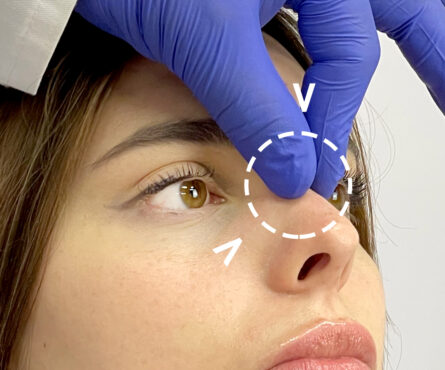
Rhinoplasty is one of the most popular cosmetic surgery interventions. It basically has no age limitations, and is performed to resolve aesthetic and functional defects of nose. It is also well-known that a substantial percentage of surgical nose corrections are repeated interventions. What may go wrong and what one has to know about secondary rhinoplasty? Let’s figure out.
Typically, secondary rhinoplasty is performed when a patient is unsatisfied by the original surgery. This might be a result of surgeon’s mistake, non-compliance with rehabilitation prescription or individual’s rehabilitation features.
Sometimes rhinoplasty complications are temporary, as the rehabilitation period is not over yet, and in such a case patience and compliance with doctor’s recommendations is key. In other cases complications and unsatisfactory results of surgical intervention are obvious and require a secondary intervention. Oftentimes, secondary rhinoplasty calls for a tertiary, due to the complex nature of the issue.
These are same as for primary rhinoplasty:
In rare cases secondary rhinoplasty is not possiple, if previously too much of nanal tissues were removed or atrophy has taken place. In such situations nose reconstruction must be performed, with use of implants and autotransplants.
Rehabilitation rules after secondary rhinoplasty are no different from rehabilitation rules after primary rhinoplasty. These include surgery site care, medication, special hygiene rules, and vary from patient to patient. These are determined and prescribed by the surgeon individually. Sometimes, rehabilitation after secondary surgery takes longer time, compared to the original intervention.
We provide post-surgery care and rehabilitation support at the base of our Centre for Regenerative Medicine Alpha Cell. It includes growth factor therapy, physical therapy and the conventional post-surgery complex. Our surgeons and rehabilitologists have a vast experience in secondary and reconstructive rhinoplasty and will gladly consult and treat you.
Yes, we do. Specifics vary on individual basis, so thorough examination is a must.


