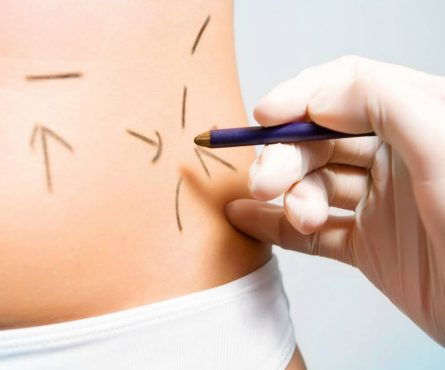
Liposuction, also known as lipoaspiration, is a well-established minimally invasive procedure that removes excess fat deposits. The procedure is exceptionally straightforward in nature – fat is literally sucked (aspirated) from the target area with a specialized cannula that is inserted into tissues through a tiny incision. Liposuction can address virtually any non-visceral fat deposit, including (but not limited to) neck, face, arms, thighs, knees, abdomen, and is often use for lipoma removal.
Liposuction is not an invasive procedure and does not require lengthy hospitalization, but it is considered to be a surgery nonetheless. A preoperative consultation with a cosmetic surgeon is obligatory, as at this stage the scope and goal of intervention is determined, as wel as allnecessary examinations take place in order to guarantee safety and efficiency of the procedure.
The following laboratory diagnostic tests must be taken:
Liposuction is rarely prescribed for medical reasons. Predominantly it is performed to achieve cosmetic results, and the patient’s own desire and abscence of contraindications are sufficient reason for this procedure.
Liposuction Contraindications:
Depending on the scope of procedure, the results may be clearly visible right after the intervention or within three weeks after. The tissue has to stabilize and swelling to reduce for the final results to be clearly visible, and these processes take time.
The upper limit varies between 3-5 liters per single liposuction, based on individual features of the patient.
Removed fat cells are virtually not replaced by new cells, though the fat may may come back by the means of hypertrophy of other fat cells. Fat regeneration is inhibited at the site of intervention, but is not affected at other sites.
Liposuction is a simple and minimally invasive procedure, that does not require large surgical entry sites or deep tissue manipulation. Additionally, internal organs are protected by multiple layers of muscle and the abdominal wall. Liposuction performed by a professional practitioner carries no risks of internal organ damage.
Liposuction is a simpler procedure with a significantly shorter rehabilitation period compared to abdominoplasty. However, it will not help the patient get rid of all excess weight. It is suitable for those who simply want to make slight changes or enhance their natural figure. Abdominoplasty, on the other hand, can help the patient overcome more pronounced issues with excess weight and body contour. In any case, the patient undergoes a consultation with a specialist who will determine which procedure will be optimal.


