Getting Ready For Cosmetic Surgery - And Knowing What Comes After
Cosmetic surgery is a powerful medical vector, that has already radically improved lives of many people, and keeps doing that. It is comlex and powerful, and it naturally calls for responsible approach – both from the patient and practitioner. Preoperative steps, such as examinations, laboratory diagnostics, doctor-patient communication an planning, are as important as the surgery itself and postoperative care, and are crucial to successful outcome of the whole process. In this article, we will discuss basic points of pre- and post-operative aspects of aesthetic surgery.
Preoperative Pipeline
Choosing Clinic and Doctor: this is the most important step at preoperative stage, so take your time researching and considering. It is important to keep in mind that price should not affect your decision – hunting for the cheapest option is almost definitely a bad way to go, though expensive does not necessarily mean good either. Grasping basics of the field, common surgical approaches for your issues of interest, and getting general understanding of the competences your future surgeon should have may sound daunting, but is absolutely doable. Don’t rush things, stay open to new information and keep looking – and you will surely find a reliable and trustworthy team of professionals.
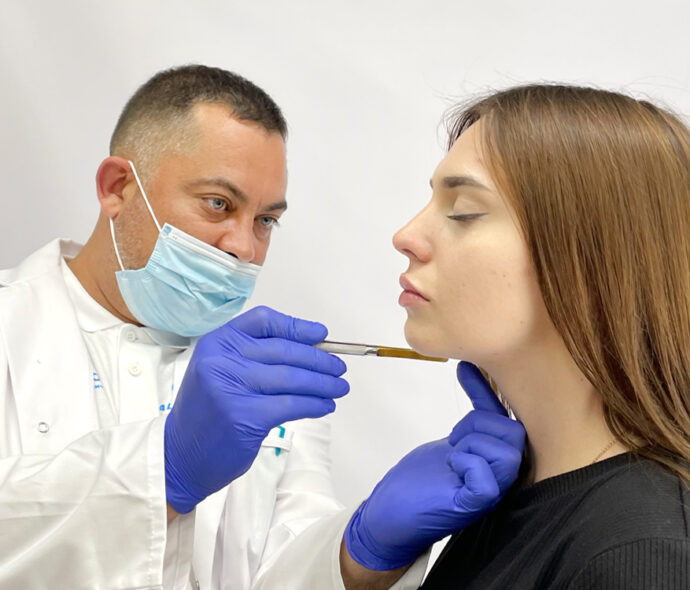
Examination and Diagnostics: Any planned surgical intervention must be preceded by thorough examination – to assess the patient’s health, discover potential risks and contraindications, and get beter understanding of the patient’s individual anatomical and physiological features. This allows the doctor to plan the course of procedure to the best of their ability, prepare for potential emergencies accordingly, and ensure that the patient gets what they want.
Communication with the doctor: achieving a desired aesthetic outcome depends heavily on making sure that the doctor shares and understands this vision. This is an intricate back-and-forth process, which often changes the patient’s vision of the result significantly. The surgeon will hear the patient out, will offer ways to achieve it, share their knowledge of alternatives and tell exactly what they can and can not guarantee. It is important to keep in mind that an expert surgeon has a vast experience and insider knowledge of the trade, and are able to provide invaluable insights.
Preoperative routine: Before the operation, you will need to follow certain recommendations regarding diet, medication intake, and other aspects that the doctor will personally inform you about, based on previous communication. It is important to adhere to these, as it is in your own interest.
Postoperative Rehabilitation
The exact course of postoperative care is determined by the nature of each intervention and the patient’s individual features. Some interventions are of do-and-go type, while others call for staying under medical supervision for a week or two, with full recovery taking up to several months. Typically postoperative rehabilitation involves the following:
Rest: staying in bed and avoiding overexertion is required, to let the manipulated tissues stabilize and general physiology to normalize.
Wound Care: besides regular wound dressing routine, strict adherence to wound hygiene standards is the basis of postoperative infection prevention.
Diet: proper nutrition is key to general well-being, and is even more important during recovery period. Posoperative care rarely involves special diets, but balanced ration is a must.
Medical Oversight: a major surgical intervention is definitely followed by the patient’s stay in stationary clinical premises for up to a week. Medical staff at hand monitors the patient’s state closely, and the patient’s responsibility is to stay vigilant about changes in their condition.
Revision Consultations: the surgeon commonly sets several appointments after the operation, to track recovery and provide necessary recommendations.
Physical Rehabilitation: in certain cases in several days after surgery, when the wounds are stabilized and the patient’s state allows it, supervised physical rehabilitation begins. This involves excercises designed to gently develop muscles and movement habits that will facilitate recovery and minimize risks of accidentally damaging or overexerting body parts that require prolonged rest.
Competent practitioners of cosmetic surgery approach each patient individually, so before the operation, the patient should receive a comprehensive consultation from a qualified specialist who will provide all the necessary information regarding the procedure, preoperative steps and the postoperative period. Strict adherens to all of the doctor’s recommendations is a key factor in the successful outcome of intervention, and maximally swift and comfortable recovery.