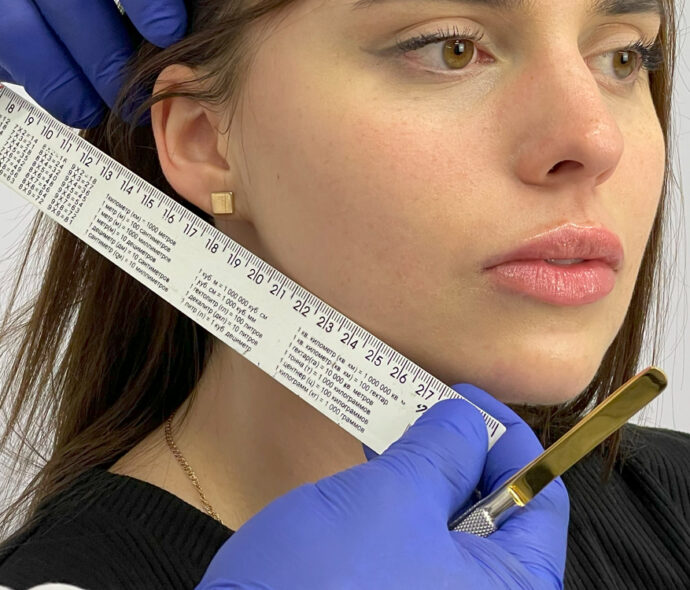
Thorough preparation is an essential part of any surgical procedure, and cosmetic surgery is not an exception. Although it is primarily aesthetic in nature, it still requires typical surgical prerequisites to guarantee the patient’s safety and the procedure’s success. Moreover, the aesthetic nature of intervention requires clear communication between the surgeon and the patient, to make sure that intervention is designed so that the patient’s vision of the outcome is 100% satisfied. Additionally, preoperative steps, such as examination and laboratory testing, are necessary to reduce potential risks and facilitate the rehabilitation period. Typically, this is managed during one or several rounds of consultation with the cosmetic surgeon.
First and foremost, a trustworthy cosmetic surgeon must be found. Trust and communication are key to achieving the desired outcome, as the surgeon designs the course of intervention to suit the patient’s needs based on how accurately the latter shares their own vision. During this process, the surgeon will examine the target body area, describe the possible approaches, and prescribe the necessary package of tests and medical examinations necessary to guarantee the patient’s safety. At Alpha Cell Clinic, we take pride in prioritizing the patients’ well-being, so you will be fully informed about potential risks and degree to which your vision of modification can be satisfied. At this stage, cooperation and mutual understanding between the doctor and the patient is of paramount importance, as the result depends on it. The specific list of tests and doctor’s recommendations varies depending on the type of cosmetic surgery and the patient’s individual features.
At this stage, you should inform the surgeon about any previous surgeries you’ve undergone, as well as presence of any chronic conditions (such as varicosis, hypertension, diabetes, HIV, hepatitis, etc.), and any allergic reactions or intolerances to specific medications or substances.
In any case, there are some general ways to get ready for the surgery:
Due to unique anatomical and physiological features, each patient reacts differently to the surgery, and specifics of rehabilitation period may vary significantly. The exact course of surgical intervention also affects postoperative recovery, so strict adherence to the doctor’s instructions is the optimal course of action. Here are general recommendations that can help ease the postoperative period:
Adhering to all recommendations of your operating surgeon ensures successful outcome, and makes postoperative recovery as swift and comfortable as possible.


